



528
Smart home devices have become part of everyday life. Thermostats adjust room temperatures automatically, cameras send alerts to a phone, irrigation controllers respond to weather conditions, and leak sensors warn homeowners before minor plumbing problems become expensive repairs.
These products may look simple from the outside, but their reliability depends on much more than a Wi-Fi connection or a well-designed app. Inside each device is a combination of circuit boards, processors, sensors, power components, wireless modules and software that must continue working under real household conditions.
For homeowners, reliability means more than whether a device works on the day it is installed. A dependable smart home product should remain stable through temperature changes, power interruptions, network problems and years of daily use.

Smart Devices Must Work Outside Ideal Conditions
Most electronic products are developed and tested in controlled environments. Homes are less predictable. An outdoor security camera may be exposed to heat, dust, moisture and direct sunlight. A smart irrigation controller may be installed in a garage or exterior enclosure where temperatures vary throughout the day. A thermostat may operate continuously for years, while a smart lock must continue working even when its battery is running low. Southern California homes can present additional challenges. Outdoor equipment may face prolonged heat, dry dust and strong sunlight. Power interruptions or voltage fluctuations can also affect connected devices, especially products that do not have adequate input protection or backup power. A reliable product must therefore be designed for the environment in which it will actually be used, not only for the conditions found on a test bench.
Reliability Starts Inside the Device
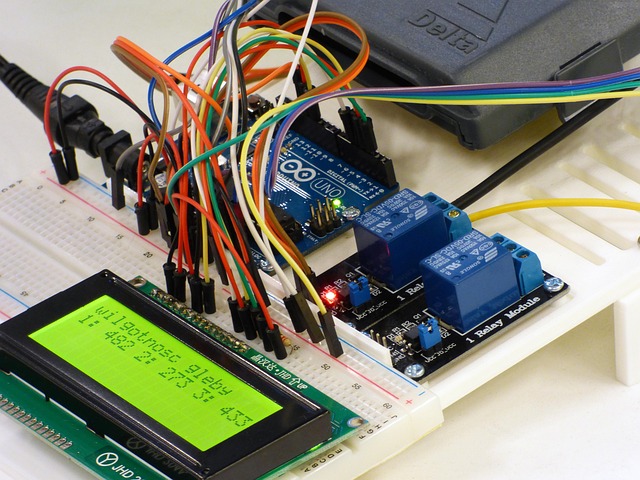
At the center of most smart home products is a printed circuit board. It connects the processor, sensors, power circuits, wireless communication modules and other electronic components that allow the device to operate. The PCBA board may be hidden inside a plastic or metal enclosure, but its design and manufacturing quality directly affect the life of the product. Poor solder joints can create intermittent failures. Inadequate spacing between electrical conductors may increase the risk of short circuits. Incorrect component choices can cause excessive heat, inaccurate measurements or unstable wireless performance. Even a small assembly defect can prevent a device from functioning consistently. This is why dependable products require coordination between product designers, PCB manufacturers, component suppliers and assembly teams. Reliability cannot be added at the end of production. It has to be considered from the beginning.Power Quality Is Often Overlooked
Many smart home problems begin with power. Some devices connect directly to household wiring, while others use wall adapters, batteries, solar panels or low-voltage power supplies. Each arrangement creates different electrical risks. A device may experience:- Brief voltage spikes
- Incorrectly connected power
- Battery voltage decline
- Electrical noise from nearby appliances
- Repeated power cycling
- Heat from inefficient voltage conversion
Heat and Enclosures Affect Electronics
A compact enclosure may look attractive, but it can trap heat. Processors, wireless modules and power components all generate some amount of heat. If the enclosure has little ventilation, the internal temperature may become much higher than the room temperature. Devices installed near windows, inside electrical cabinets or outdoors face even greater thermal stress. Product developers must consider how heat will move away from critical parts. This may require changes to component placement, PCB copper areas, enclosure materials or ventilation. Moisture presents a different problem. Water does not need to enter the enclosure as visible droplets to cause damage. Condensation and prolonged humidity can lead to corrosion, leakage paths and unstable sensor readings. Outdoor-rated devices should therefore be designed as complete systems. A sealed enclosure alone is not enough if cable openings, connectors or internal materials are unsuitable for the environment.Wireless Performance Depends on Hardware
A smart device is only useful when it can communicate reliably. Homeowners often blame Wi-Fi when a device disconnects, but the cause may also be inside the product. Antenna placement, enclosure materials, circuit-board layout, power noise and component selection can all affect wireless performance. A metal enclosure may weaken the signal. A poorly positioned antenna can be blocked by the battery or another circuit board. Noise from a power converter may interfere with communication. A product that works well in an open room may perform differently when mounted inside a wall, near metal equipment or at the edge of a property. Manufacturers should test wireless performance in realistic installations rather than only at close range in a laboratory. Homeowners can also improve reliability by checking whether the product supports the home’s network configuration, whether it requires a separate hub and whether essential functions continue when internet access is unavailable.Safety Devices Require More Than Basic Testing
A smart light that temporarily disconnects is inconvenient. A smoke detector, water shutoff controller or security alarm that fails at the wrong moment can create a much more serious problem. Safety-related products require testing that reflects their actual function. Visual inspection can identify missing or incorrectly placed components. Automated optical inspection can check solder joints and component orientation. X-ray inspection may be needed for connections hidden beneath certain components. Electrical testing can detect open circuits and short circuits. However, these methods do not confirm that the complete product works properly. Functional testing may be needed to verify sensors, alarms, communication, battery operation, buttons and firmware. A leak detector should respond to water. A backup power monitor should recognize a loss of input power. A smart lock should operate correctly across the expected battery range. The most useful test plan is not necessarily the one with the longest equipment list. It is the one designed around the ways the product could fail.Software Matters, but Hardware Sets the Foundation
Firmware and mobile apps receive much of the attention in smart home products. They control features, automation and user experience. Software updates can fix bugs and improve security, but they cannot correct every hardware weakness. An update cannot repair a cracked solder joint, improve an incorrectly positioned antenna or reduce heat caused by an unsuitable power component. Hardware and software must therefore be developed together. The firmware should recognize low-battery conditions, recover after power interruptions and handle communication failures without freezing the device. At the same time, the electronics must provide stable power, accurate sensor inputs and reliable connections. Homeowners should look for manufacturers that continue supporting products after purchase. Clear update policies, responsive technical support and realistic warranty terms are often signs that a company has planned for long-term use rather than only the initial sale.Image by Jatinder Jeetu from Pixabay
Manufacturing Quality Influences Product Life
Two products built from similar designs can perform differently if their manufacturing processes are not equally controlled. Reliable production involves more than placing components on a circuit board. Design files need to be reviewed, parts must be purchased from appropriate sources, assembly conditions must be controlled and completed boards must be inspected and tested. Product companies often work with electronics manufacturing partners to manage these stages. Companies such as PCBCool support PCB fabrication, component sourcing, assembly, engineering review and testing for smart home, industrial and other electronic products. The manufacturing partner does not determine the entire quality of a product, but it plays an important role in turning a design into repeatable hardware. A prototype that works once is not enough. The same performance must be maintained across hundreds or thousands of units.What Homeowners Can Check Before Buying
Consumers cannot inspect the circuit board inside every smart device, but they can still look for signs of a well-developed product. Check whether the product is intended for indoor or outdoor use. Review the stated operating-temperature range and installation requirements. For electrical, wireless or safety-related products, look for certifications appropriate to the product and market. It is also useful to ask practical questions:- Will basic functions continue without internet access?
- What happens after a power outage?
- Can batteries be replaced easily?
- Does the company provide firmware updates?
- Is customer support still available after installation?
- Is the device compatible with the existing smart home system?
- Does the warranty reflect the expected service life?

